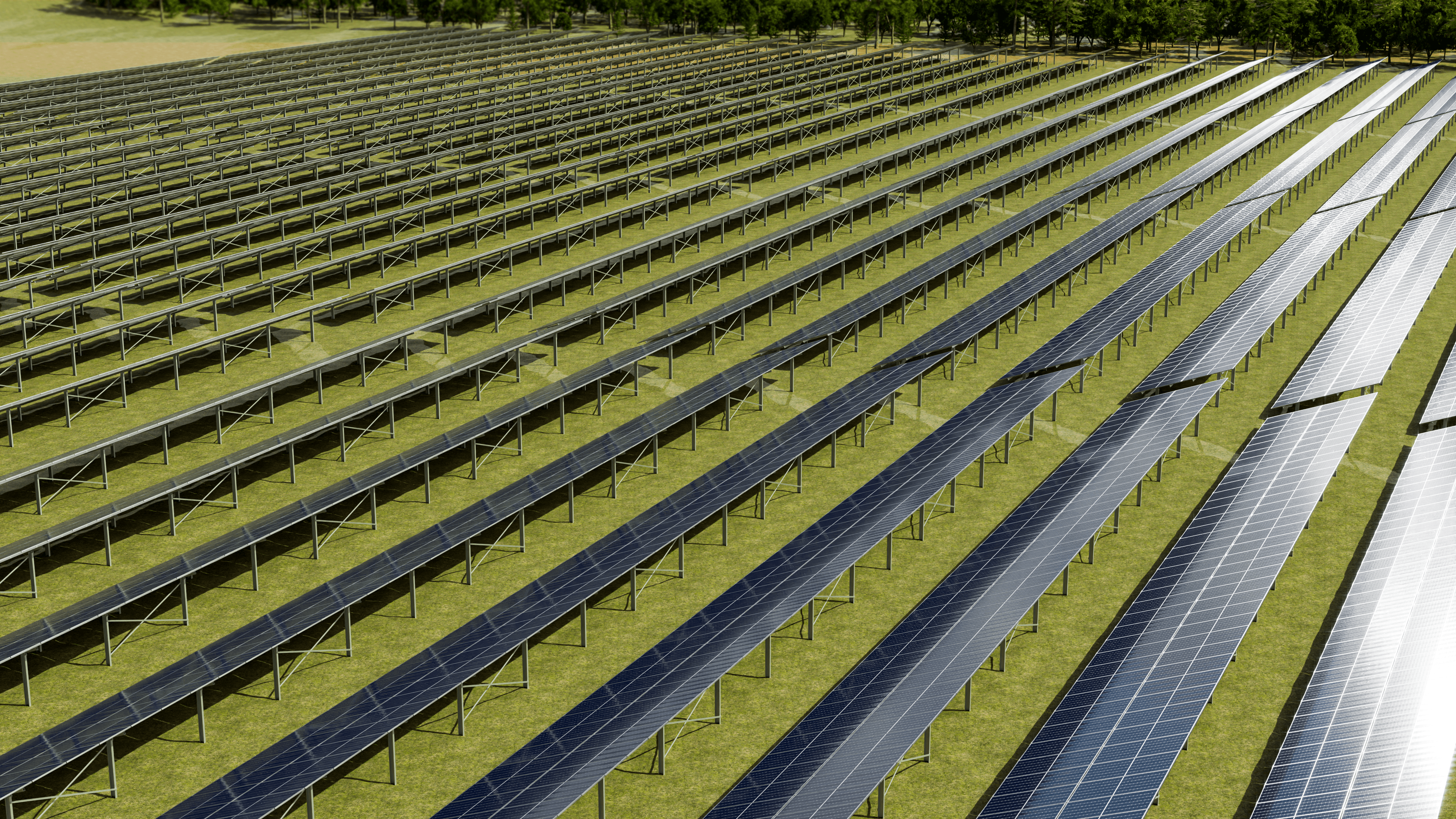

Backtracking is not a tracker moving the wrong way. It is a deliberate control strategy used when low sun angles could cause one tracker row to shade the next. The tracker changes its angle to limit that row-to-row shading, and the final strategy is set for the project.
That can look counter-intuitive. A single-axis tracker normally rotates through the day so that the modules follow the sun. Yet the angle that points most directly towards the sun is not always the best array-level position when rows are close enough for one row to cast a shadow across another.
Backtracking addresses that specific problem. It does not replace:
It is one part of the control strategy that must work with the physical layout.

What is backtracking in a solar tracker?
Backtracking is a tracker control strategy that changes the module angle during low-sun periods to reduce row-to-row shading. It deliberately moves away from the direct sun-facing angle when the array geometry indicates that normal tracking would allow one row to shade the next.
The idea is simple: the system considers the sun position and the relationship between adjacent rows, then adjusts the table position according to the project control logic. The exact movement is not universal because the layout, terrain and project assumptions differ from site to site.
Why low sun creates a row-shading problem
When the sun is high, the shadow behind a tracker row is relatively short. As the sun moves lower in the sky, the shadow becomes longer. If the next row falls into that shadow, part of its module area receives less direct irradiance.
Row spacing is therefore connected to tracker operation. A wider spacing changes the shading relationship, while a tighter arrangement may require a different control response. Ground coverage ratio, often shortened to GCR, is one way the array geometry is represented in energy modelling. It should not be treated as a universal design value.
True tracking and backtracking are not competing modes
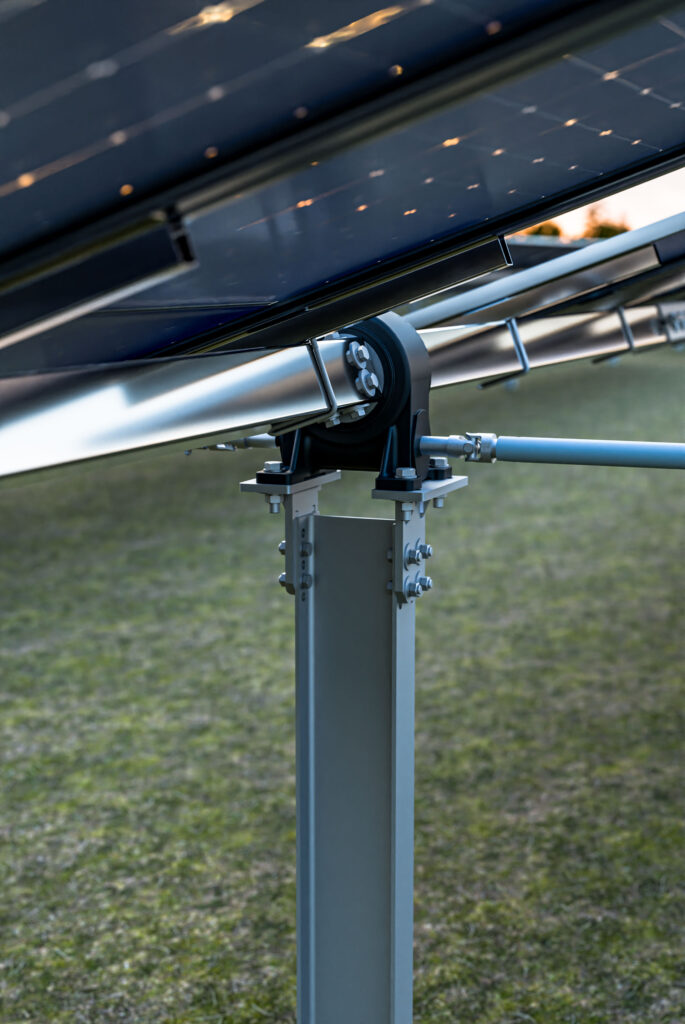
Normal tracking and backtracking form part of the same daily control strategy. During periods when row-to-row shading is not the governing concern, the tracker can follow its normal sun-position logic. During low-sun periods, the backtracking strategy changes the angle to manage the expected shade between rows.
This is why a tracker can appear to move away from the sun and still be operating as intended. The control objective at that moment is not simply to place one table at the most direct sun-facing angle. It is to manage the array as a group.
What influences the backtracking strategy?
The final control strategy depends on the approved project basis. Relevant factors can include:
Terrain matters because rows on uneven ground do not always share the same geometric relationship. Lumax uses site-specific backtracking as a standard control feature for Track-Max120. Terrain-following backtracking is an optional project feature where the site and control strategy require it.
Those statements do not define a universal angle, schedule or energy result. The control settings and expected benefit must be established for the actual project.
Backtracking is different from night return
Backtracking is a daytime response to potential row-to-row shading. Night return happens after the tracking day, when the tables move to a predefined project-set night position.
Night return should not automatically be described as wind-protection stow. Protective wind behaviour, triggers and positions are separate control and engineering questions. The terms must remain distinct unless the project control specification explicitly links them.

Myth: moving away from the sun means the tracker is faulty
A changed angle is not, by itself, evidence of a fault. The movement may be an intentional backtracking response. Actual operation should be checked against the approved project control strategy, time of day, sun position and site conditions.
The opposite assumption is also unsafe. Not every unexpected position should be labelled backtracking. If operation differs from the project basis, the responsible technical team should investigate the control status and available records.
Why layout and controls must be considered together
A tracker layout is more than a set of tables placed on a site plan. Row spacing, terrain and control behaviour interact. A layout decision can affect the shading relationship, while the control strategy influences how the array responds during the day.
For EPCs, developers and asset owners, this is the practical point: the mechanical arrangement, energy model and controls should be coordinated. Backtracking cannot correct an unsuitable layout by itself, and a well-spaced layout still needs an appropriate control strategy.
Frequently asked questions
Does backtracking eliminate all shading?
No. Its purpose is to reduce row-to-row shading under the conditions represented in the project strategy. Other shading sources and real site conditions still need to be considered.
Does every tracker use the same backtracking settings?
No. The final strategy is project-specific and depends on the array geometry, terrain, modelling assumptions and control design.
Does backtracking guarantee a particular energy gain?
No. Any expected energy effect must come from the project energy model. Lumax does not apply a universal energy-uplift percentage.
The apparent contradiction is the point
Backtracking can move a tracker away from the most direct sun-facing angle because the system is managing shade across adjacent rows. When layout, modelling and controls are developed together, that movement becomes a planned part of how the array operates, not a sign that the tracker has lost the sun.