Commercial solar remains relevant for South African businesses because it is an energy-cost, infrastructure and long-term planning decision, not only a response to load shedding.
Better national grid performance is positive, but it does not remove electricity tariffs, daytime demand, sustainability requirements or the value of producing useful energy at the point of consumption. With fewer crisis decisions, the enduring questions come to the fore: what the business pays, when it uses energy, how much generation it can use directly, what resilience it needs and whether the proposed asset suits the site.
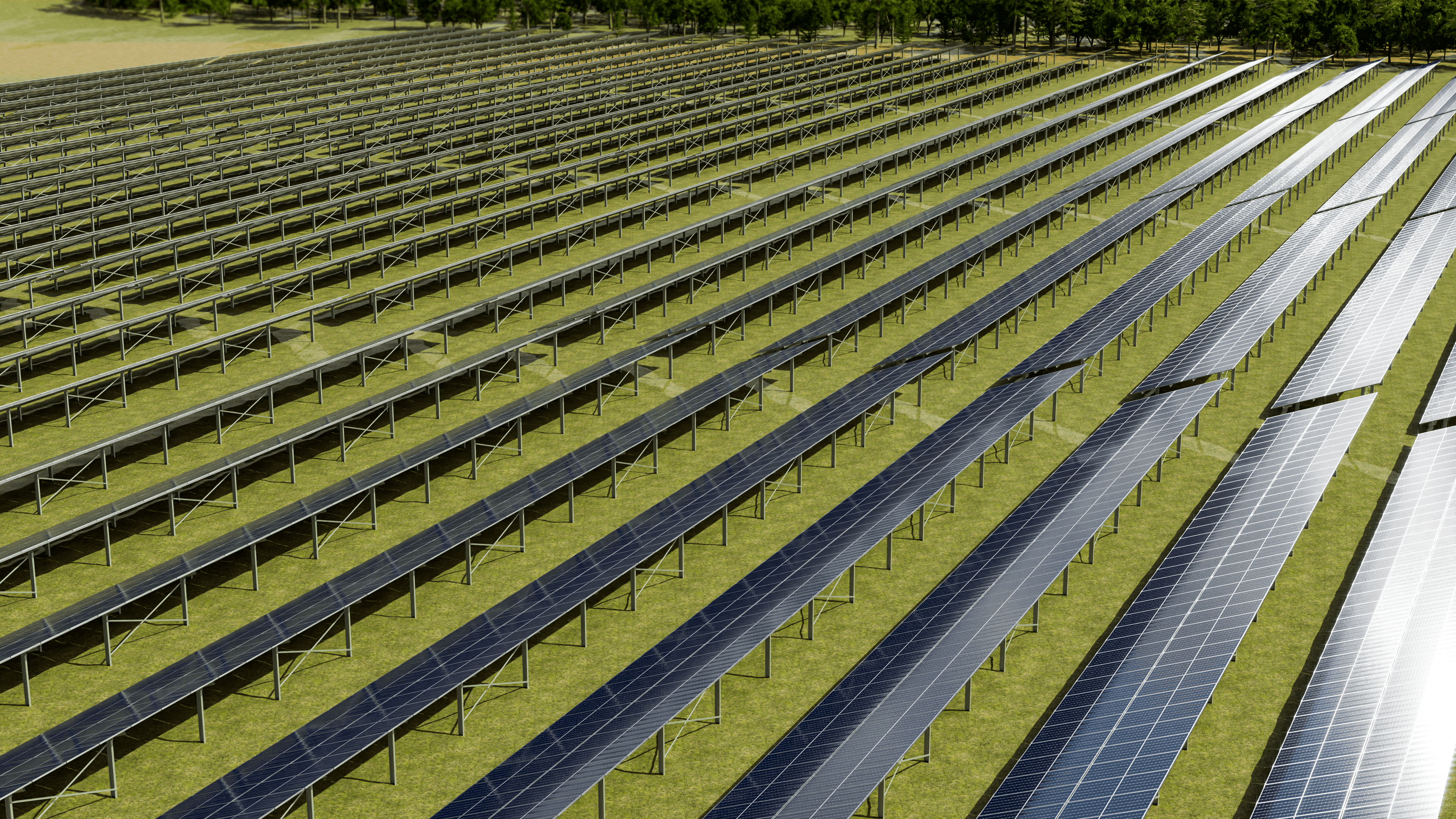
Solar generation still depends on physical infrastructure. Modules require a mounting solution suited to the roof, carport, ground or tracker application. A stronger grid does not remove that need. It creates room for better-planned projects.

A stronger grid does not make solar less relevant
On 4 September 2026, Eskom reported that South Africa had completed the winter with demand fully met. It recorded 476 consecutive days without national load shedding since 16 May 2025 and a financial year to date Energy Availability Factor of 67.79 percent. These are meaningful improvements for the country and for business confidence.
Improved supply reliability and the commercial value of solar are not opposing ideas. Reliability concerns whether electricity is available. The solar business case also considers the cost of imported electricity and the value of replacing suitable daytime consumption. Eskom’s published 2026 and 2027 tariff information records an average standard increase of 8.76 percent for directly supplied customers from 1 April 2026 and a 9.01 percent increase for municipal bulk purchases from 1 July 2026. The municipal bulk figure is not the increase on every end-user bill, but it illustrates why tariff analysis remains central to energy planning.
Businesses can therefore welcome a more reliable grid while continuing to invest in on-site generation where the numbers support it. The objective is not to replace one source of energy with another in every hour. It is to use each part of the energy mix deliberately.
The business case is broader than backup power
Load shedding made backup power highly visible, but commercial solar performs a different primary role. A grid-connected PV system produces electricity when sunlight is available. Where a business consumes that energy on site, it can reduce variable grid energy purchased during those periods, subject to the applicable tariff and system design.
This makes solar relevant to facilities with meaningful daytime demand. The generation and consumption profiles must be aligned instead of sizing a project only around available space.
A commercial proposal should also separate energy savings from backup capability, export assumptions and sustainability value. Each benefit should be measured on its own terms.
Daytime demand turns sunlight into productive energy
A sound assessment starts with the customer’s load profile. At least 12 months of electricity bills should be reviewed together with interval consumption data where it is available. This shows seasonal changes, operating hours, demand patterns and the amount of solar generation likely to be consumed directly.
Self-consumed solar electricity generally has a different value from exported electricity because it replaces an applicable import charge. Exported energy may receive a separate credit, require a particular tariff or have limited value. Fixed and network-related charges can remain payable even when imported energy falls.
Eskom’s small-scale embedded generation guidance notes that export credits apply to the variable energy component and that customers still contribute to fixed grid services. Municipal arrangements differ, so the distributor, tariff, metering and export conditions must be confirmed for the specific site.
This detail protects the solar case. A project supported by measured demand and clear tariff assumptions is easier to evaluate than one justified only by fear of interruption.
Solar is becoming part of a wider electricity market
South Africa’s electricity market is also developing. In August 2026, the Department of Electricity and Energy published a draft revised Electricity Pricing Policy for public comment. It recognises distributed generation, customer choice, electricity trading, wheeling and a move towards more transparent, cost-reflective tariff structures. The policy was still a draft at the information cut-off date, but the direction of discussion shows that business energy strategy is becoming more varied.
The Electricity Regulation Amendment Act provides for an open market platform and competitive electricity trading. GreenCape’s 2026 renewable energy market report identifies large-scale renewables and behind-the-meter solar with battery storage for commercial and industrial users as active investment areas.
For some businesses, the future mix may include on-site solar, battery storage, wheeled electricity and grid supply. These options can complement one another, but network access, metering, contracts, approvals and operating requirements must be assessed for the customer and location. On-site generation remains a practical tool for businesses seeking greater control over how they procure and use electricity.
A long-term energy asset needs suitable physical support
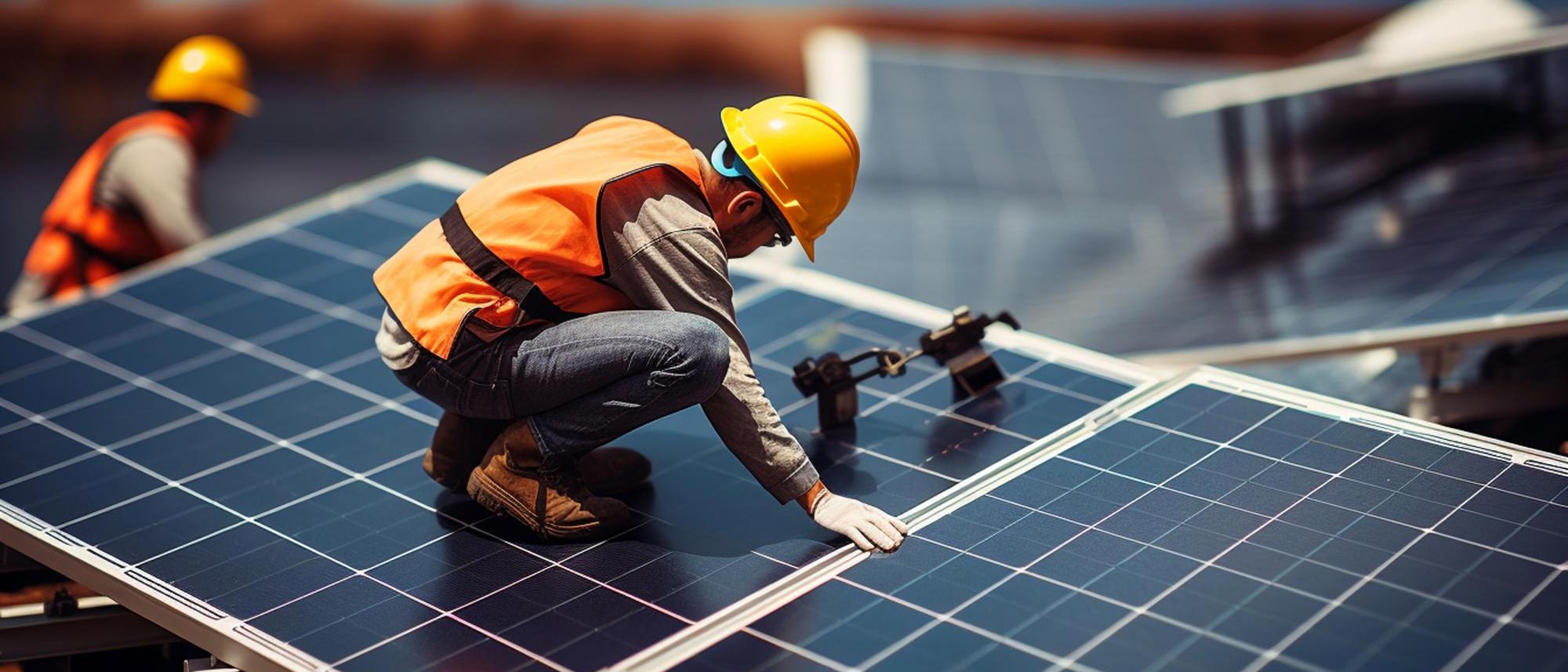
The commercial case is only one part of a successful solar project. The proposed installation must also suit the building or site. Roof profile and condition, structural capacity, drainage, access, wind exposure, ground conditions, parking operations, cable routes and maintenance requirements can all influence the mounting approach.
Lumax Energy develops solar mounting structures for rooftop, carport, ground-mount and tracker applications. The appropriate solution depends on verified project information and an engineering process that considers the intended application.
Moving beyond crisis buying allows energy modelling, structural assessment, mounting selection, electrical design, approvals, construction and maintenance planning to be coordinated before commitments are fixed. The result is a solar asset designed around the business.
Resilience remains a separate design decision
A standard grid-connected solar system is not automatically a backup system. Grid-connected inverters generally disconnect during an outage to prevent unsafe back-feed unless the installation includes the equipment and controls required to operate safely in an islanded mode.
The United States Department of Energy’s solar resilience guidance explains that solar combined with suitable storage and controls can support local power during a wider disruption. The same planning principle applies locally: photovoltaic generation, battery storage and backup functionality perform different jobs and should be specified against the required outcome.
A business seeking daytime energy savings may need a different storage strategy from a site protecting critical production, refrigeration, communications or safety loads. Better national grid performance may change the resilience calculation, but local outages and operational requirements still need to be understood.
A seven-question commercial solar check
Better grid performance should improve solar investment
South Africa’s improved electricity performance is welcome, but it does not remove the long-term case for well-planned commercial solar. Electricity affordability, productive daytime demand, environmental commitments and a changing procurement market continue to make on-site generation relevant.
The opportunity now is to make better investments. A strong solar project starts with accurate energy data and continues through tariff analysis, site assessment, engineering, mounting selection, approvals, installation and maintenance planning. That is how commercial solar moves beyond load shedding and becomes part of durable business infrastructure.